Physics-Informed Control
Model-based and learning-augmented control for physical systems, with emphasis on dynamics, robustness, and real-time performance.
MPCLQRDynamicsRobust Control
Engineering Physics → Robotics
Feedback control, machine perception, and embedded systems for robust robotic autonomy.
Current Focus
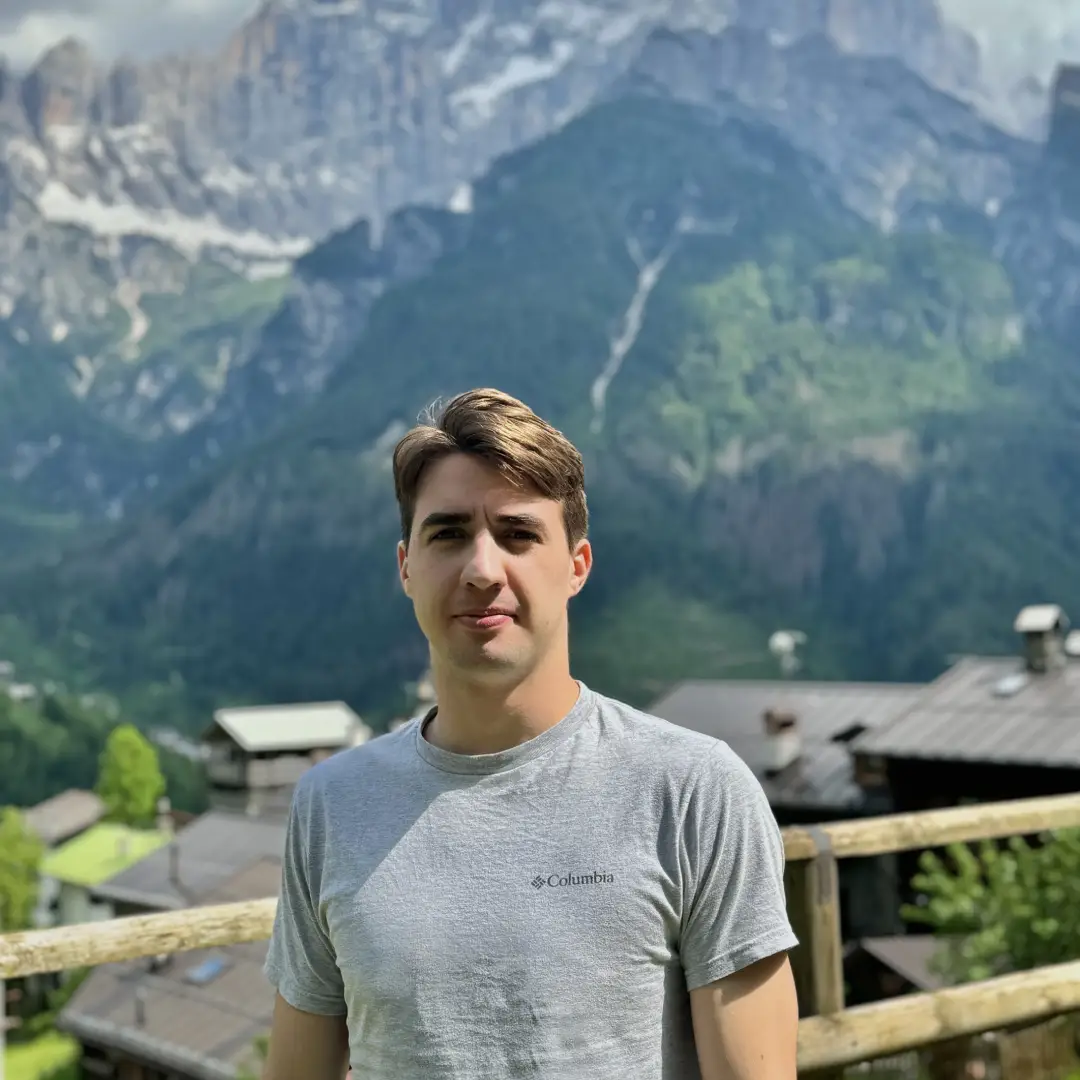
I'm an MSE Robotics student at UPenn, concentrating in physics-informed machine learning and control. I'm interested in autonomy for aerospace and marine systems that operate reliably in harsh conditions and expand what's possible.
I previously studied Engineering Physics at Tufts and have worked with complex sensing systems in the defense space. From submarine-sonar systems integration to embedded development for remote sensors, that experience sharpened how I think about constraints, latency, power budgets, and safety.
Selected Project
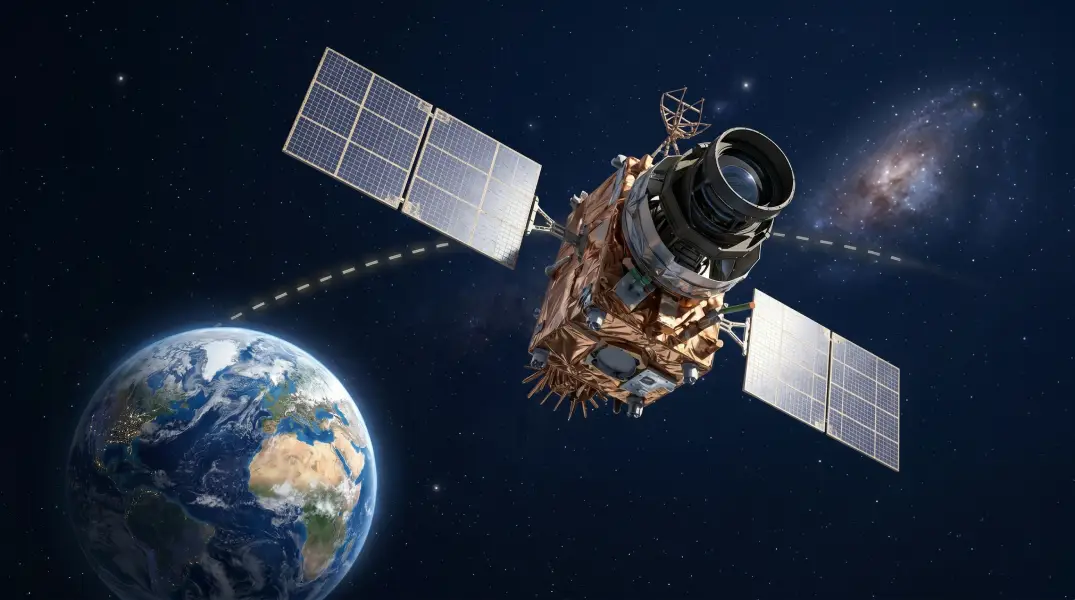
An autonomous space telescope simulation that combines star target planning, attitude guidance, nonlinear state estimation, MPC control, closed-loop dynamics, and 3D mission visualization.
Portfolio

Featured Project

Featured Project
Featured Project
Technical Focus
Model-based and learning-augmented control for physical systems, with emphasis on dynamics, robustness, and real-time performance.
Simulation-driven development for autonomous systems, from rigid-body dynamics and sensor models to validation under uncertainty.
Hardware-aware autonomy for systems with real-world constraints: latency, power, noisy sensors, and deployment reliability.
Next Step
My project pages go deeper into control theory, modeling, software architecture, and results.